WHAT DO S1P, S3, S3S, AND ESD MEAN IN SAFETY FOOTWEAR? A COMPLETE GUIDE TO CHOOSING THE RIGHT FOOTWEAR
When buying safety footwear, it's common to encounter codes like S1P, S3, S3S, or ESD. For many people, these terms are confusing, but understanding their meaning is essential for choosing the right model based on the type of work and the risks involved.
Not all safety shoes offer the same level of protection. A workshop worker, a logistics operator, or a maintenance professional may need different features depending on their work environment.
In this guide, we explain what each classification means and how to choose the most suitable safety footwear.
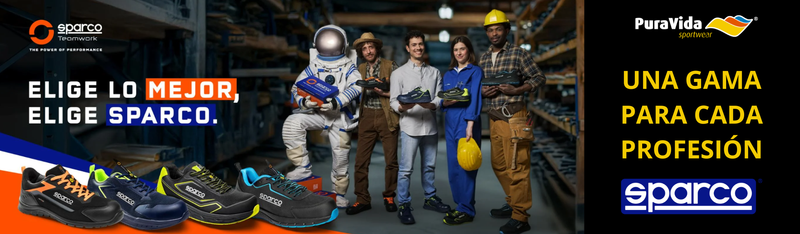
Safety footwear is regulated by European standards that define the minimum levels of protection that each model must offer.
These certifications guarantee that the footwear has passed specific tests related to:
- Impacts
- Compression
- Slips
- Punctures
- Static electricity
- Water resistance
- Extreme temperatures
For this reason, before buying any safety shoe or boot, it is important to check that it has the appropriate certification for the work to be performed.
The S1P classification is one of the most widely used in indoor industrial environments.
S1P footwear includes:
✅ 200J impact-resistant safety toecap
✅ Antistatic properties
✅ Heel energy absorption
✅ Hydrocarbon resistance
✅ Puncture-resistant insole
✅ Slip-resistant outsole
S1P models are suitable for:
- Workshops
- Warehouses
- Logistics centers
- Light industry
- Automotive
However, they are not designed for work with frequent exposure to water or moisture.
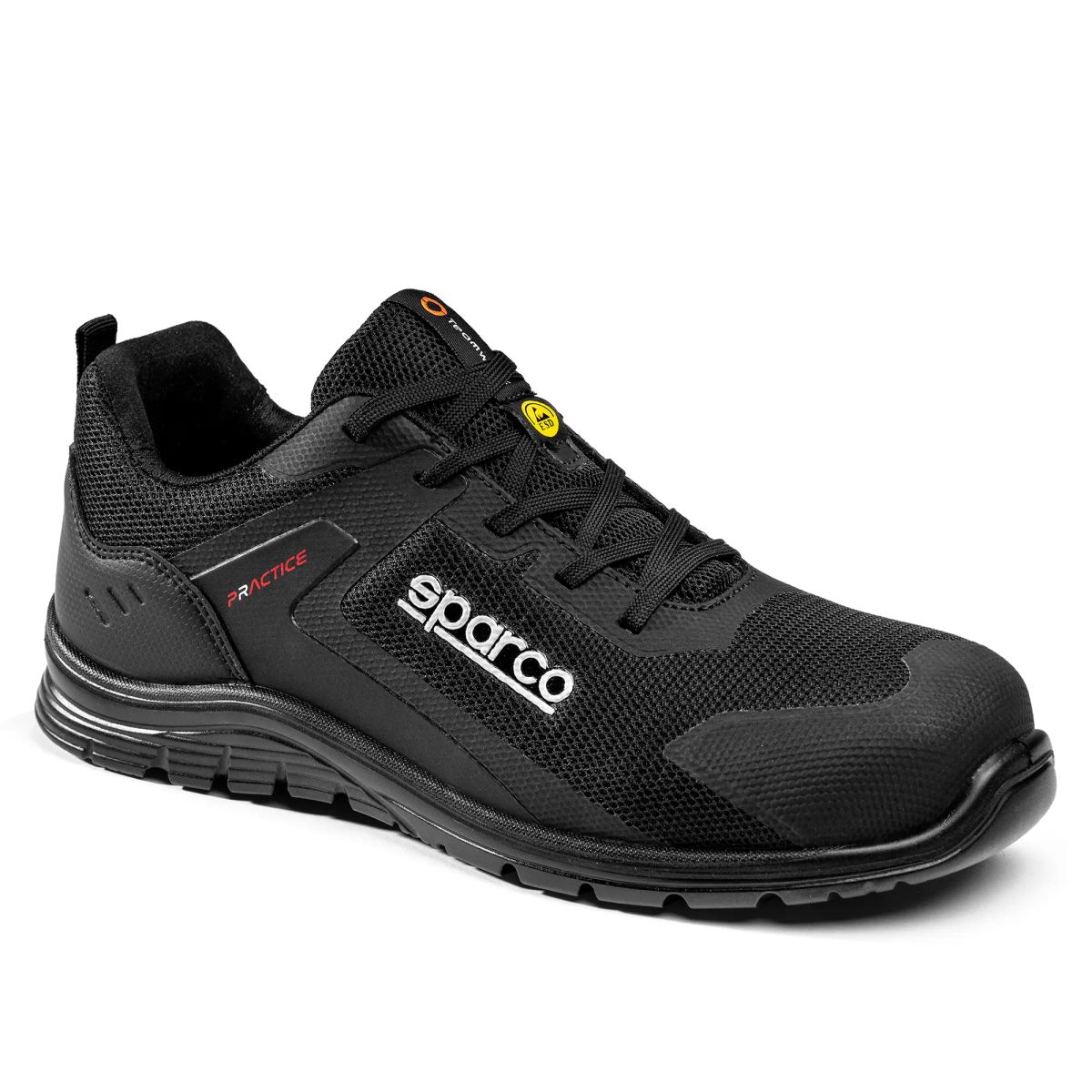
The S3 standard is currently one of the most in-demand in the professional sector.
S3 footwear incorporates all the features of S1P and adds:
✅ Water penetration resistance
✅ Water-repellent materials
✅ Greater outdoor protection
For this reason, it is often recommended for:
- Construction
- Heavy industry
- Maintenance
- Outdoor logistics
- Work in wet environments
For many professionals, S3 represents the ideal balance between protection, comfort, and versatility.
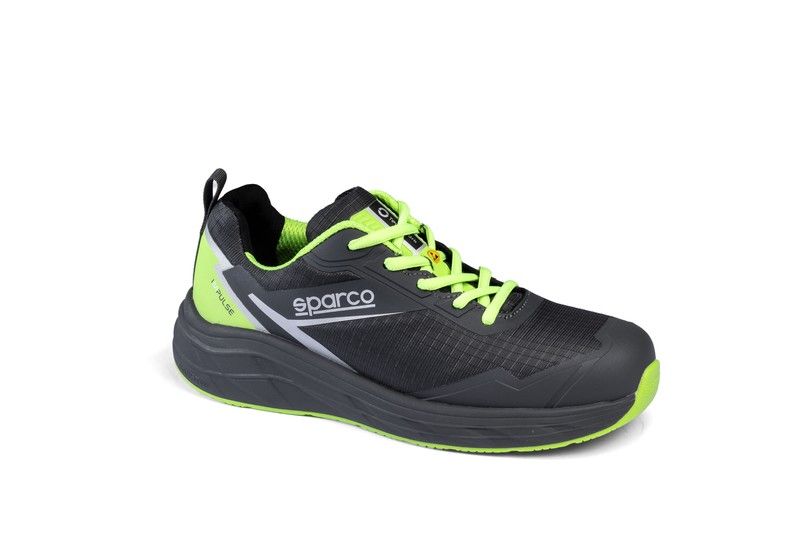
This is currently one of the most common questions.
The S3S certification was introduced with the update of the EN ISO 20345:2022 standard.
The main difference is related to puncture protection.
Traditional S3 models used different protection systems, while the S3S classification specifies more demanding requirements for new-generation puncture-resistant insoles.
In practical terms:
✅ S3 = High protection
✅ S3S = Updated protection according to the new standard
For this reason, more and more manufacturers are launching S3S models as replacements for the old S3 models.
The acronym ESD stands for:
Electro Static Discharge
Controlled Electrostatic Discharge
ESD shoes are designed to dissipate static electricity that accumulates in the body.
They are mainly used in:
- Electronics
- Technology Industry
- Modern Automotive
- Laboratories
- ATEX Zones
- Assembly Centers
Their aim is to prevent damage to sensitive electronic components and reduce certain risks associated with the accumulation of static charges.
More and more companies are requiring ESD footwear due to the increase in electronic devices in industrial processes.
In addition to S1P, S3, S3S, and ESD, other additional codes are commonly found.
FO
Sole resistance to hydrocarbons.
HRO
Contact heat resistance.
Ideal for:
- Welding
- Metalworking industry
- High-temperature environments
CI
Cold insulation.
Perfect for:
- Cold storage rooms
- Outdoor use during winter
HI
Heat insulation.
SR
Maximum slip resistance according to current regulations.
For workshops and the automotive industry
What is usually recommended is:
- S1P or S3S
- ESD
- Non-slip soles
For logistics and warehouses
What is usually recommended is:
- S1P
- S3S
- ESD
Prioritizing lightness and comfort.
For outdoor industry
What is usually recommended is:
- S3 or S3S
- FO
- SR
For electronic environments
What is usually recommended is:
- ESD
- S1P or S3S
The Sparco Teamwork line has revolutionized the safety footwear sector by combining certified protection with motorsport-inspired designs.
Its advantages include:
- Sporty design
- Reduced weight
- Up-to-date certifications
- Excellent comfort for long workdays
- Wide variety of S1P, S3, and S3S models
- ESD versions for modern industrial environments
This has made Sparco one of the most recognized brands in the premium workwear sector.
Other related articles
How to choose the best safety footwear according to your profession
Complete Guide for Mechanics, Logistics, Construction, Industry, and ElectriciansChoosing good safety footwear … June 11, 2026
Everything about Bell helmets: models, homologations, and advice for karting and racing
Bell Racing helmets are a global benchmark for safety and performance in … June 11, 2026
What are bucket seats and semi-bucket seats? A guide to choosing the ideal car seat
Bucket seats and semi-bucket seats are two types of sports seats designed … June 8, 2026
Sparco Teamwork sole guide: technologies, uses, and which one to choose for your work
Sparco Teamwork safety and professional footwear stands out not only for its …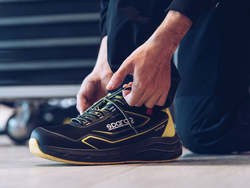 June 8, 2026
Receive our news